Cassava chips drying
author: ERIC
2025-10-31

Cassava chips are dried using various methods like sun drying, solar drying, or hot air ovens, with the ideal temperature typically between 60°C and 80°C to ensure proper moisture removal without damaging the product. The drying time varies, but a common goal is to reduce the moisture content to 15% or lower in about 5-8 hours, depending on the method and desired end-product
Drying methods
Sun drying: This traditional method relies on direct sunlight and can take a long time, often 2-3 days, with chips needing to be turned regularly.
Solar drying: This method uses a solar collector to heat air, providing a more controlled and consistent temperature than sun drying alone.
Hot air oven drying: This method uses a machine to circulate hot air at a controlled temperature, often between 50°C and 70°C, and can be adjusted based on fan speed and load.
Hybrid drying: This approach combines multiple energy sources, such as solar and electrical power or biogas, to provide a more reliable and efficient drying process.
Vacuum drying: This method uses a vacuum to lower the boiling point of water, allowing for drying at lower temperatures.
Sun drying: This traditional method relies on direct sunlight and can take a long time, often 2-3 days, with chips needing to be turned regularly.
Solar drying: This method uses a solar collector to heat air, providing a more controlled and consistent temperature than sun drying alone.
Hot air oven drying: This method uses a machine to circulate hot air at a controlled temperature, often between 50°C and 70°C, and can be adjusted based on fan speed and load.
Hybrid drying: This approach combines multiple energy sources, such as solar and electrical power or biogas, to provide a more reliable and efficient drying process.
Vacuum drying: This method uses a vacuum to lower the boiling point of water, allowing for drying at lower temperatures.
Key factors for drying
Temperature: The ideal drying temperature is between 60°C and 80°CHigher temperatures(>100°C) can cause the sugars to caramelize or lead to case hardening, where the outside dries too quickly and traps moisture inside.
Time: Drying time depends on the method and desired moisture level, but chips can reach a moisture content of 15% or less in about 5-8 hours in a hot air dryer.
Moisture content: The initial moisture content of fresh cassava chips is about 60%, and the goal is to reduce it to 15% or below for proper storage and shelf life.
Other factors: The thickness of the chips, the loading rate, and the relative humidity all affect the drying rate.
Temperature: The ideal drying temperature is between 60°C and 80°CHigher temperatures(>100°C) can cause the sugars to caramelize or lead to case hardening, where the outside dries too quickly and traps moisture inside.
Time: Drying time depends on the method and desired moisture level, but chips can reach a moisture content of 15% or less in about 5-8 hours in a hot air dryer.
Moisture content: The initial moisture content of fresh cassava chips is about 60%, and the goal is to reduce it to 15% or below for proper storage and shelf life.
Other factors: The thickness of the chips, the loading rate, and the relative humidity all affect the drying rate.
Important considerations
Product quality: Using too-high temperatures can negatively affect the quality, color, and flavor of the dried cassava chips.
Safety: Cassava contains a small amount of cyanide, which is reduced during the drying process. Proper drying is crucial to ensure the product is safe for consumption.
Equipment: The type of drying equipment used will affect the drying efficiency and quality of the final product. For large-scale production, a continuous mesh belt dryer or a heat pump dryer may be suitable.
Product quality: Using too-high temperatures can negatively affect the quality, color, and flavor of the dried cassava chips.
Safety: Cassava contains a small amount of cyanide, which is reduced during the drying process. Proper drying is crucial to ensure the product is safe for consumption.
Equipment: The type of drying equipment used will affect the drying efficiency and quality of the final product. For large-scale production, a continuous mesh belt dryer or a heat pump dryer may be suitable.
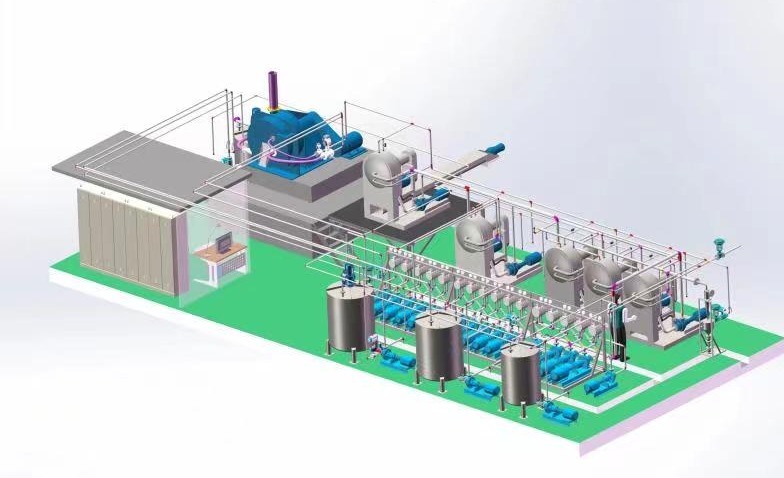
Dehydration, drying and packaging of starch(8)
Main Differences Between Corn Grits Production Line and Corn Starch Production Line
Related Article
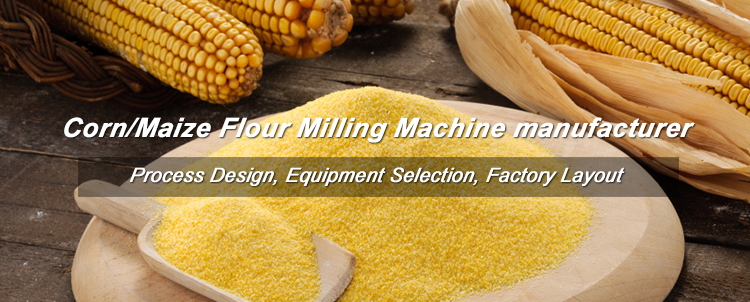
Maize Processing Machine can be used to process the maize into different types of corn/maize products, including corn/maize bran, corn/maize grits and corn/maize flour.
Corn/Maize Flour Milling Machine & Process & Cost
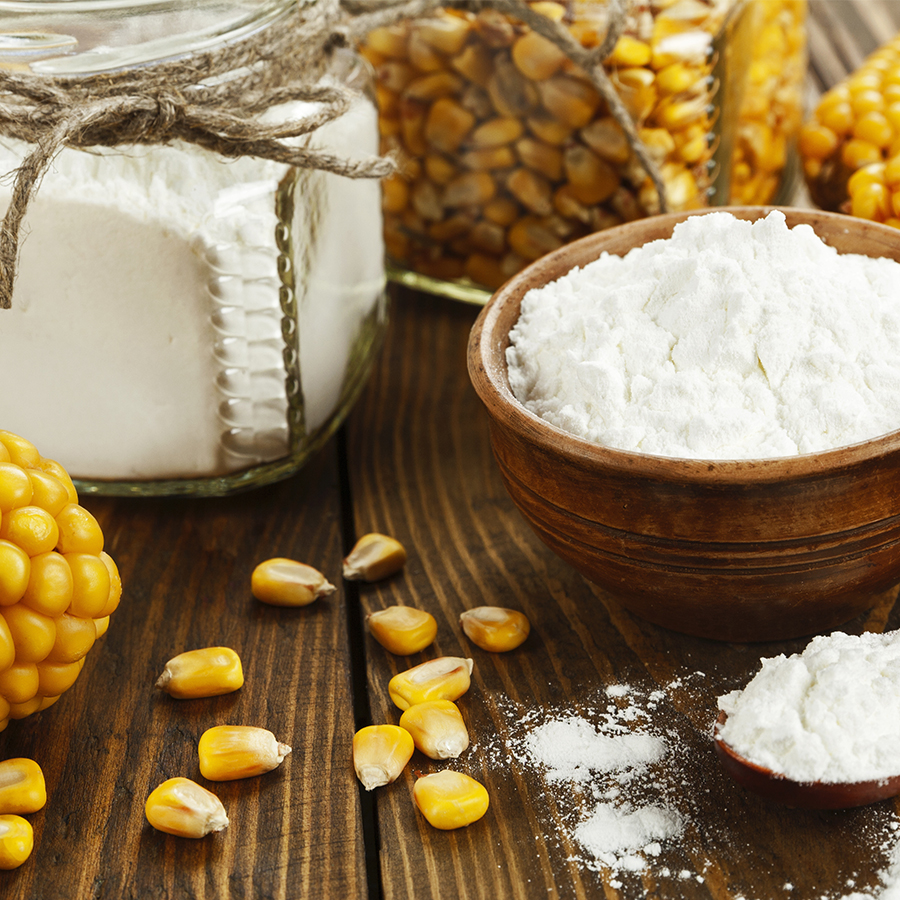
Corn starch is one of the most versatile and widely used biopolymers in the world, serving as a fundamental ingredient in the food, paper, textile, and adhesive industries.
Corn starch manufacturing process: 7 Vital Steps for Quality