
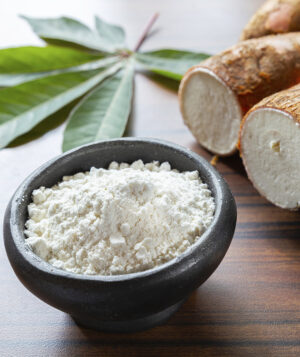
Analysis of South American potato starch market
1. market overview
Major producing countries: Peru, Chile, Colombia, and Argentina are major producing countries in South America. Among them, Peru, as one of the origins of potato, is leading in planting technology and variety diversity.
Consumption fields: food industry (such as snacks, baking, sauces), papermaking, textiles, biodegradable materials, etc.
Market size: The size of the South American potato starch market in 2023 will be approximately US$500 million to US$700 million, with an annual growth rate of approximately 5%-8%(higher than the global average of 3%-4%). Brazil and Argentina are the largest consumers.
2. supply and demand analysis
supply side
Planting conditions: High altitude areas in the Andes are suitable for potato planting, but yields are affected by climate fluctuations (such as El Niño).
Production concentration: Small and medium-sized farmers are the main ones, with few large processing companies. Alicorp in Peru and Ingredion in Chile are the main processors.
Exports: South America accounts for about 15% of global exports, mainly sold to Asia (China, Japan) and Europe, but high transportation costs restrict competitiveness.
demand side
Food industry: Demand for fast food and processed foods is growing (for example, Brazil's "pão de queijo" cheese bread requires large amounts of starch).
Replacement demand: Potato starch is gradually replacing part of corn starch (especially in gluten-free foods) because it is non-genetically modified and highly viscous.
Emerging applications: Bioplastics (such as starch-based packaging materials in Argentina) drive demand.
3. Characteristics of industrial chain
Upstream: Relying on traditional planting, with low mechanization, and vulnerable to pests and diseases (such as late blight).
Midstream: Processing technology is uneven, and high value-added products (such as modified starch) rely on imported equipment.
Downstream: Food companies (such as BRF in Brazil and Arcor in Argentina) are the main purchasers and are highly price sensitive.
4. competition pattern
Local enterprises: mainly small and medium-sized family enterprises, with obvious cost advantages but limited production capacity.
International players: Cargill, Tate & Lyle entered the market through joint ventures or acquisitions, dominating high-end products.
Competition from China: China's low-cost starch impacts the local market through imports (for example, Peru imposed anti-dumping duties on China starch in 2023).
5. main challenges
Climate risk: Drought or heavy rains cause unstable supply of raw materials.
Policy fluctuations: Some countries restrict potato exports to protect domestic supplies (such as Bolivia).
Infrastructure: Backward logistics and warehousing facilities affect the efficiency of raw material transportation and finished product export.
Competition for alternatives: Lower prices for tapioca starch (a large producer in Brazil) squeeze market share.
6. future trends
Technology upgrade: Introduce disease-resistant varieties and water-saving irrigation technologies (such as a pilot project in Chile to increase yields by 20%).
High value-added products: modified starch (used in pharmaceutical capsules) or organic starch (growing demand in Europe).
Regional cooperation: The South American Common Market (MERCOSUR) promotes internal trade facilitation.
Sustainable development: Under the goal of carbon neutrality, starch-based environmentally friendly materials may receive policy support.
Corn starch production process by-products
Middle East And Africa Corn Starch Market
Related Article