
Indonesia to limit cassava, tapioca imports to aid farmers
author: ERIC
2025-10-13
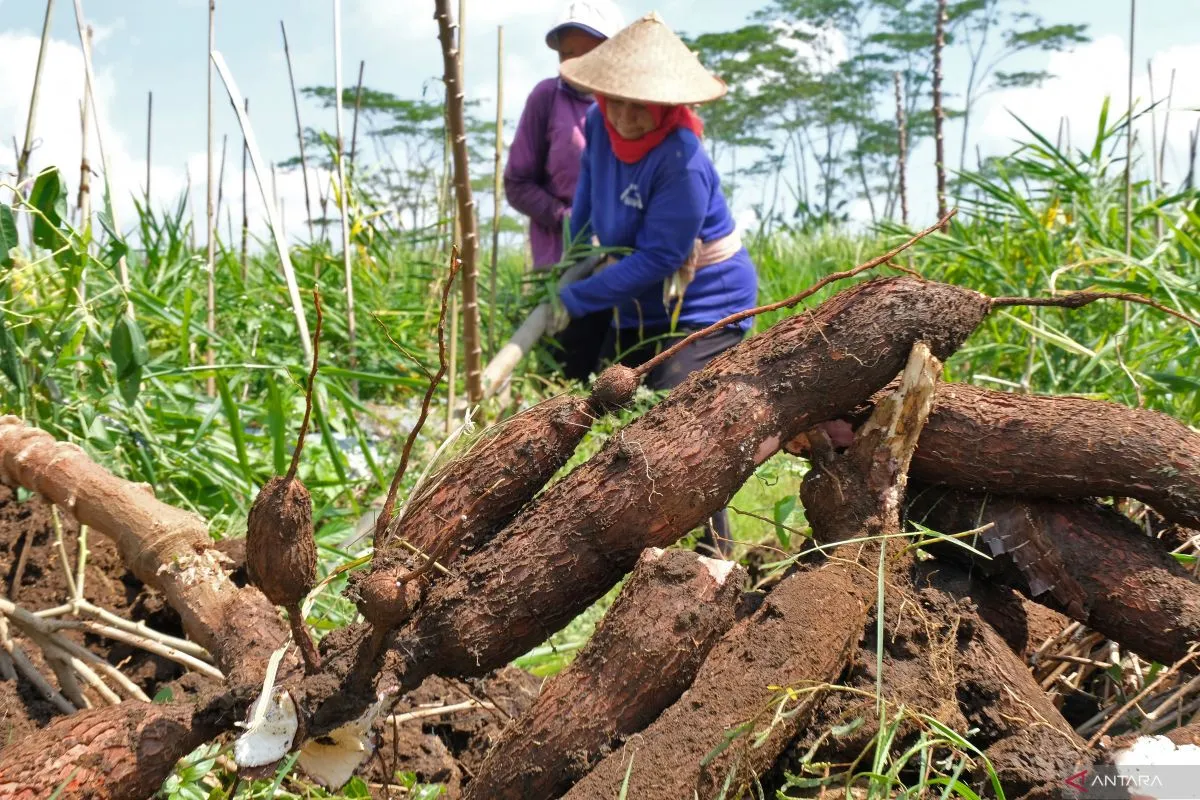
Jakarta (ANTARA) - The Indonesian government will limit the import of cassava and tapioca into the country to support domestic farmers.
Coordinating Minister for Food Zulkifli Hasan stated on Friday that his ministry would request data regarding the harvest volumes of cassava farmers and any existing shortages in the country before approving imports.
He emphasized that this action is crucial to prevent foreign cassava products from negatively impacting local farmers' harvests.
"We have made a decision. We are awaiting a letter from the Minister of Agriculture, and then we will convey it to the Minister of Trade, who will regulate it through a ministerial regulation," he explained.
Meanwhile, Deputy Minister of Agriculture Sudaryono stated that the volume of cassava imports must be regulated to protect local products.
In addition, regulations are needed for the import of tapioca and wheat to ensure the prosperity of local farmers.
"Tapioca and wheat imports will also be regulated by the Ministry of Agriculture and the Ministry of Trade," Sudaryono affirmed.
Earlier, President Prabowo Subianto reaffirmed the government's commitment to stopping the import of rice, corn, and salt by the end of 2025 as part of the push for food self-sufficiency.
"We must be able to feed all Indonesian people without imports," he remarked on Wednesday.
Prabowo expressed optimism that national food self-sufficiency could be achieved earlier than the initial target of four years.
Coordinating Minister for Food Zulkifli Hasan stated on Friday that his ministry would request data regarding the harvest volumes of cassava farmers and any existing shortages in the country before approving imports.
He emphasized that this action is crucial to prevent foreign cassava products from negatively impacting local farmers' harvests.
"We have made a decision. We are awaiting a letter from the Minister of Agriculture, and then we will convey it to the Minister of Trade, who will regulate it through a ministerial regulation," he explained.
Meanwhile, Deputy Minister of Agriculture Sudaryono stated that the volume of cassava imports must be regulated to protect local products.
In addition, regulations are needed for the import of tapioca and wheat to ensure the prosperity of local farmers.
"Tapioca and wheat imports will also be regulated by the Ministry of Agriculture and the Ministry of Trade," Sudaryono affirmed.
Earlier, President Prabowo Subianto reaffirmed the government's commitment to stopping the import of rice, corn, and salt by the end of 2025 as part of the push for food self-sufficiency.
"We must be able to feed all Indonesian people without imports," he remarked on Wednesday.
Prabowo expressed optimism that national food self-sufficiency could be achieved earlier than the initial target of four years.
Starch Market Information from November 9th to 15th 2025
How To Start A Lucrative Garri Processing Business In Nigeria and Africa
Related Article
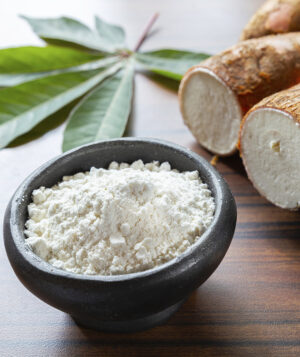
Track the latest insights on cassava starch price trend and forecast with detailed analysis of regional fluctuations and market dynamics across North America, Latin America, Central Europe, Western Europe, Eastern Europe, Middle East, North Africa, West Africa, Central and Southern Africa, Central Asia, Southeast Asia, South Asia, East Asia, and Oceania.
Cassava Starch Price Trend
Cassava starch is gaining traction as a sustainable, versatile, and cost-effective raw material.
Cassava Starch Market Latest Trends
In 2026, China's cassava starch market is generally characterized by "tight raw material supply and high prices in the first half of the year, coupled with a severe inverted price differential between domestic and international markets, leading to sharp port destocking by mid-year."
China Cassava Starch Market Mid-2026 Report: High-Level Fluctuations Amid Severe Price Inversion and Deep Port Destocking
From January to April 2026, China's cassava starch imports mainly came from Vietnam, Thailand, Laos, Cambodia, and other countries. Specifically, imports from Vietnam were 955,300 tons, accounting for 51.58% of the total; from Thailand, 536,400 tons (28.96%); from Laos, 326,000 tons (17.60%); from Cambodia, 31,800 tons (1.72%); and from Indonesia, 1,400 tons (0.07%).
Analysis of Cassava Starch Import and Export and Market Status from January to April 2026