Corn starch by product processing-separation and subsequent drying
author: ERIC
2025-11-28
? 1. Corn Steep Liquor (CSL) Production
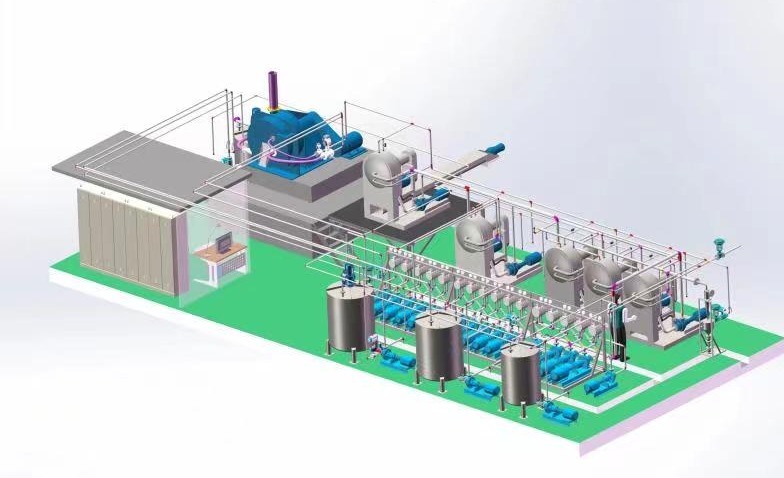
Separation Process: Corn steep liquor is the watery solution obtained after the initial soaking (steeping) of corn kernels. During steeping, corn is immersed in water containing sulfur dioxide (SO₂) for 30-50 hours at 50-52°C. This process softens the kernels and facilitates the release of soluble nutrients into the water. After steeping, the corn steep liquor is separated from the softened kernels. This separation can be achieved using clarifiers or concentrators like the Merco separator. These devices work by centrifugal force to remove solid particles from the liquid, resulting in a clarified corn steep liquor.
Separation Process: Corn steep liquor is the watery solution obtained after the initial soaking (steeping) of corn kernels. During steeping, corn is immersed in water containing sulfur dioxide (SO₂) for 30-50 hours at 50-52°C. This process softens the kernels and facilitates the release of soluble nutrients into the water. After steeping, the corn steep liquor is separated from the softened kernels. This separation can be achieved using clarifiers or concentrators like the Merco separator. These devices work by centrifugal force to remove solid particles from the liquid, resulting in a clarified corn steep liquor.
Drying Process & Equipment: The separated corn steep liquor is a dilute solution and is often concentrated before being sold as a liquid feed product or sometimes dried into a powder. Concentration is typically done using evaporation systems. For example, Alfa Laval's CSL evaporation system utilizes Alfa Flash technology, which is compact and energy-efficient, significantly reducing steam consumption during concentration. If further drying to powder is required, technologies like spray drying (as mentioned for corn peptide) could be employed, where the concentrated liquor is atomized into a hot air chamber, and the droplets instantly dry into powder.
? 2. Corn Germ Production
Separation Process: The softened kernels from the steeping process are coarsely ground to free the germ. The separation of the less dense germ from the other components is primarily achieved using hydrocyclones (also called de-germing cyclones). These devices use centrifugal force generated by a spinning liquid suspension to separate components based on differences in density and particle size. The lighter germ is carried away in the overflow stream, effectively separating it from the heavier fiber and starch slurry.
Separation Process: The softened kernels from the steeping process are coarsely ground to free the germ. The separation of the less dense germ from the other components is primarily achieved using hydrocyclones (also called de-germing cyclones). These devices use centrifugal force generated by a spinning liquid suspension to separate components based on differences in density and particle size. The lighter germ is carried away in the overflow stream, effectively separating it from the heavier fiber and starch slurry.
Drying Process & Equipment: The separated corn germ has a high moisture content and needs drying for storage and further processing (e.g., oil extraction). Common drying equipment includes:
Fluidized Bed Dryers (or Boiling Dryers): Hot air is blown upwards through a perforated plate, causing the wet germ to "fluidize" or behave like a boiling liquid. This ensures uniform and rapid drying.
Tubular Bundle Dryers: This equipment uses indirect heating. The wet germ comes into contact with a bundle of heated tubes inside a rotating drum. Heat is transferred to the germ through the tube walls, evaporating the moisture. These are suitable for bulkier materials like germ.
? 3. Corn Fiber (Bran Fiber) Production
Separation Process: After germ separation, the remaining slurry undergoes fine grinding to further release starch and gluten from the fiber. The fibrous part, consisting mainly of corn bran, is separated using a combination of screens and washing systems. Multi-stage starch washing systems based on hydrocyclones are used. These systems wash the starch slurry and separate the less dense fiber through centrifugal action. Screens are also employed to physically separate the fibrous solids based on particle size.
Separation Process: After germ separation, the remaining slurry undergoes fine grinding to further release starch and gluten from the fiber. The fibrous part, consisting mainly of corn bran, is separated using a combination of screens and washing systems. Multi-stage starch washing systems based on hydrocyclones are used. These systems wash the starch slurry and separate the less dense fiber through centrifugal action. Screens are also employed to physically separate the fibrous solids based on particle size.
Drying Process & Equipment: The wet corn fiber, like germ, requires drying. Tubular Bundle Dryers are commonly used for this purpose as well. They efficiently handle fibrous and bulky materials, using heated tubes to indirectly dry the fiber as it moves through the dryer.
? 4. Corn Protein (Gluten) Production
Separation Process: The remaining starch-gluten slurry undergoes a crucial separation step based on density differences. This is typically done using Merco separators (a type of centrifugal separator). These high-speed centrifuges separate the heavier starch from the lighter protein (gluten). The Merco separator acts as a primary separator and can also function as a gluten concentrator, thickening the gluten slurry to a high solids concentration before drying.
Separation Process: The remaining starch-gluten slurry undergoes a crucial separation step based on density differences. This is typically done using Merco separators (a type of centrifugal separator). These high-speed centrifuges separate the heavier starch from the lighter protein (gluten). The Merco separator acts as a primary separator and can also function as a gluten concentrator, thickening the gluten slurry to a high solids concentration before drying.
Drying Process & Equipment: The concentrated gluten slurry needs drying to produce corn gluten meal. Several dryer types are used:
Fluidized Bed Dryers: Suitable for granular materials, providing efficient and uniform drying.
Spray Dryers: The concentrated gluten slurry is atomized into a hot air chamber. Droplets dry instantly into a powder, which is suitable for heat-sensitive proteins and yields a fine, consistent product.
Vacuum Dryers: For heat-sensitive materials requiring lower drying temperatures, vacuum dryers can be used. They operate under reduced pressure, lowering the boiling point of water and allowing gentle drying. One patent describes a vacuum drying equipment for corn protein powder that uses a horizontal, stirred vacuum dryer for continuous operation and uniform heating.
Cassava Starch Production Machine and Process
Why does every starch production line require special customization?
Related Article
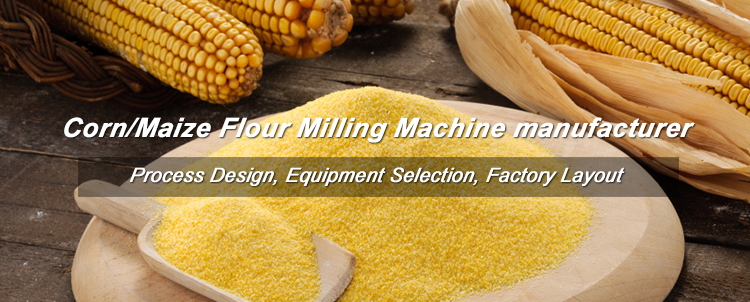
Maize Processing Machine can be used to process the maize into different types of corn/maize products, including corn/maize bran, corn/maize grits and corn/maize flour.
Corn/Maize Flour Milling Machine & Process & Cost
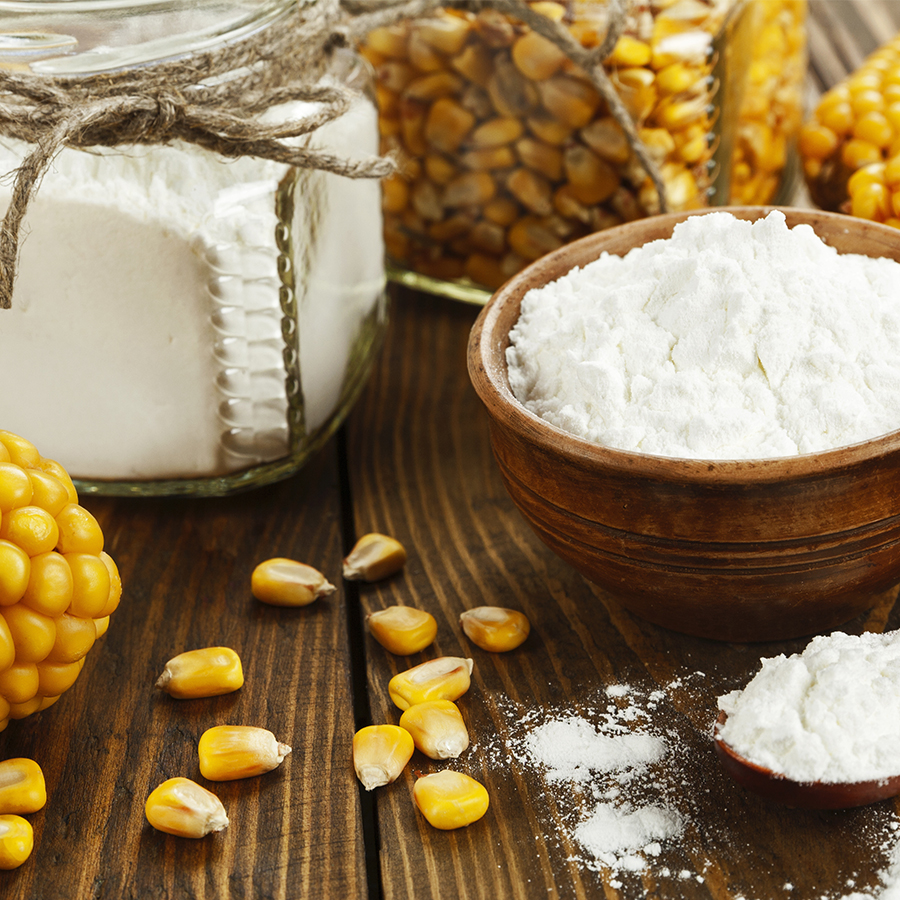
Corn starch is one of the most versatile and widely used biopolymers in the world, serving as a fundamental ingredient in the food, paper, textile, and adhesive industries.
Corn starch manufacturing process: 7 Vital Steps for Quality