The Difference Between Starch and Flour Production Lines
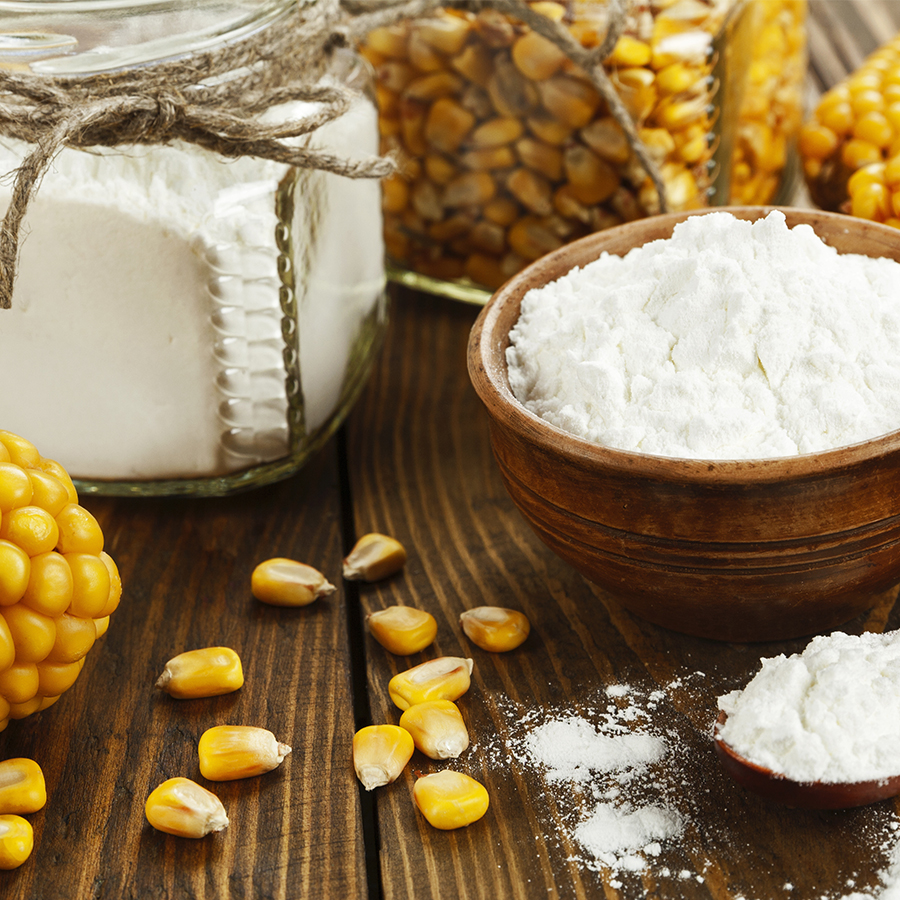
Starch is a polysaccharide carbohydrate and the main form of energy storage for green plants. Starch is typically a white, odorless, and tasteless powder.
The main difference between a Starch Production Line and a Whole Flour Production Line lies in the final product and the production process.
1, Final Product:
(1) Starch Production Line: The final product is pure, clean starch. It is the product of raw materials (such as cassava, potato, or corn) after the removal of impurities, fiber, protein, fat, and other cellular components.
(2) Whole Flour Production Line: The final product is whole flour (e.g., whole cassava flour). Whole flour is a dried powder obtained after the raw material goes through a series of processes. It retains the maximum amount of the raw material’s nutritional components, without separating out fiber, protein, vitamins, and other constituents.
2, Process Differences:
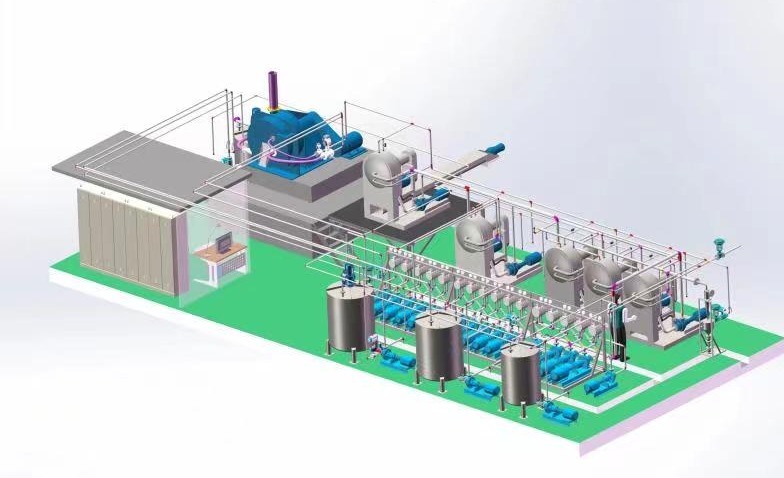
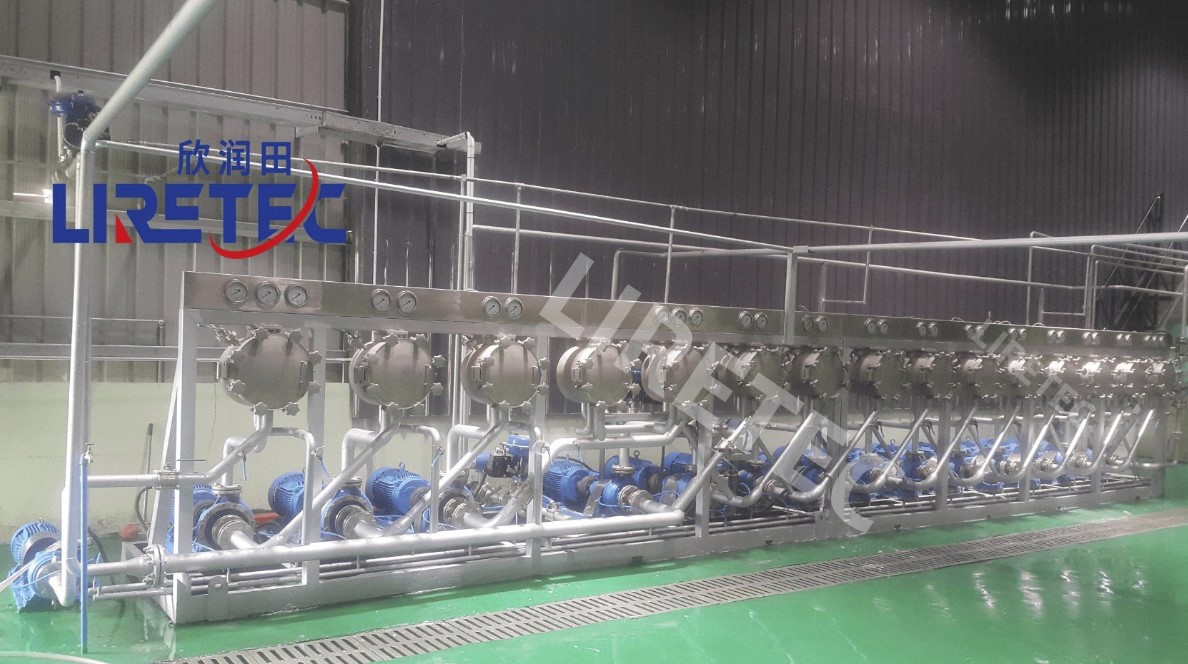
(1) Starch Production Line: The main processes include: cleaning, crushing, desanding, separation, dewatering, and drying. Separation equipment is used to separate fibers and other non-starch substances from the starch to achieve the goal of producing pure starch. The resulting fiber and other by-products can be utilized separately.
(2) Whole Flour Production Line: The main processes include: cleaning, crushing, desanding, and drying. The whole flour production line aims to retain the maximum amount of nutritional components from the raw material. This line produces almost no by-products.
How to choose:
If economic benefits are considered, it is advisable to choose the construction of a starch production line. Starch has extensive industrial applications and its by-products can also be utilized.
If the goal is only to produce food, a whole flour production line can be chosen, as it is relatively simple.
Juan Hu
Marketing Manager
Email: juan.hu@liretecgroup.com
Fine grinding and extraction(5)
Corn crushing and germ separation(4)
Related Article