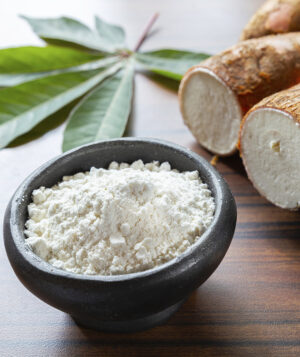
Uses and Industry Applications of Cassava Starch
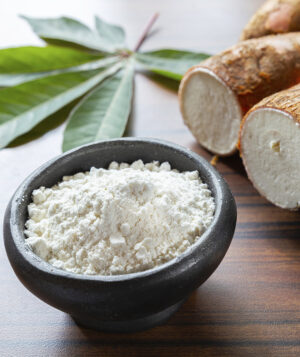
Cassava is one of the world's three major tuber crops, which is drought-resistant, barren-resistant, widely cultivated in tropical and subtropical regions of more than 100 countries or regions. Cassava starch, extracted from the roots of the cassava plant, is a highly versatile carbohydrate used extensively across various global industries. Its unique properties—such as high paste clarity, excellent thickening power, and neutral taste—make it a preferred choice over other starches.
So what are the specific uses of cassava starch in related industry applications?
I. Cassava food
The cassava starch extraction process is essentially the same as the sweet potato starch extraction process. It is more widely used in the edible cassava process. After shredding, filtering, dehydration, drying, and other processes, we can obtain pure white cassava starch. The cassava starch used in cassava food is divided into three main categories: common cassava starch, denatured cassava starch, and all powdered cassava food.
Common raw cassava starch is widely used not only in food recipes such as baked goods but also in the production of extruded small foods and cassava beads. Modified starch or starch derivatives have been used as thickeners, binders, puffers, and stabilizers, and are also the best additive, sweetener, flavor carrier and fat substitute. Foods that use Thai cassava starch include canned foods, frozen foods, dry mixed foods, baked goods, snack foods, condiments, soups, sausages, dairy products, meat products, fish products, and baby foods.
II. Beverages
Modified starch is used as a colloidal stabilizer in beverages containing solid ingredients. In beverages, cassava starch sweeteners are superior to sucrose because the former improves processing and enhances product characteristics, which, in combination with other sweeteners, adequately meet consumer demand. The highly hydrolyzed syrup formed by the hydrolysis of cassava starch is an ideal source of readily fermentable sugars in beer brewing.
III. Candy
Raw cassava starch and various modified starch have many applications in confectionery products, such as gelling, thickening, stabilizing system, enhancing foaming, controlling crystallization, bonding, film formation, adding gloss, and so on. Low viscosity cassava starch is widely used in gelled confectionery such as jelly and chewing gum. The most commonly used is acidolytic starch because of its excellent reversibility and gelling ability, which is even more pronounced with sugar. Dry starch is used as a release agent in candy making. The production of sugar-free chewing gum was achieved with starch-based polysaccharides.
IV. Chemicals
Cassava starch-based can be produced at low cost by acidification or enzymatic processes, thus it can be used as a raw material for the production of various chemicals such as sodium glutamate, amino acids, organic acids, ethanol, ketones, vitamins, and antibiotics.
V. Adhesives and glues
Cassava starch dextrins are excellent adhesives for a wide range of applications, including corrugated board, paper bags, plywood, tapes, labels, stamps, and envelopes.
VI. Paper-making
Modified starch is used in the paper industry to improve paper quality, productivity, and pulp utilization. Cationic starch is used to flocculate pulp and improve wet dewatering efficiency, which results in higher machine speeds and higher pulp utilization. The starch retained on the finished paper can be used as an internal sizing agent to increase the strength of the paper. Low viscosity starch, such as oxidized starch, can be used as a surface sizing agent to increase paper strength and improve ink absorption during printing and writing. Modified starch is also used as an adhesive in pigment coating to produce smooth, white, premium paper. Many cassava starch manufacturers' main sales direction is cassava starch export. In Africa, the price of cassava starch is $300-400/ton, in our country the price is $3500-4000/ton, and in Southeast Asia the price of cassava starch is $4200/ton. So the profit margin is great. For example, Jianhui Paper in Dongguan, China, imported cassava starch from abroad for paper making. Understanding the extraction of starch from cassava is fundamental to producing the high-quality raw material needed for these industrial applications.
VII. Textile
In the textile industry, cassava starch is often used as a sizing agent to harden and protect yarns to improve textile efficiency; it is used as a finishing agent to produce fabrics that feel smooth; it is used as a color enhancer to obtain a clear, wear-resistant printed fabric; for textile applications, lightly boiled starch is more effective.
VIII. Pharmaceuticals and cosmetics
Cassava raw starch and modified starch are used as binders, increasers, and disintegrants in the production of tablets. Specially modified starch can be used as a carrier for emollients, which are usually mineral oil-based substances. Other modified starches can be used as emulsifiers, sealers (vitamins), styling agents (hair mousse), and thickeners (shampoos).
IX. Biodegradable materials
Eaw cassava starch and modified starch can be mixed with petroleum-based or synthetic polymer materials to improve the biodegradability of the materials, to minimize the production cost of such environmental protection materials. For businesses and researchers interested in the entire process, learning how to make cassava starch efficiently is the first step toward utilizing this versatile resource in various innovative products.
The Tapioca Starch Market Analysis
An eco-friendly alternative: Cassava starch residue as a substitute for cassava starch in cat litter
Related Article